
Checking Criminal History in Hall County
No single Hall County search covers every stage of a criminal matter. Start with the Hall County Online Docket for Superior Court felony and State Court misdemeanor filings. Use the official inmate channel for current jail custody, the Sheriff Records Unit for incident reports and local criminal-history products, and GCIC or GDC for state-level records.
Gather a full legal name, date of birth, likely arrest date, and alternate spellings before searching. A case number, booking date, report number, or arresting agency can separate people with similar names and help a custodian locate an existing record.
Choose the channel by the event being verified. Someone seeking a final case outcome should not stop at an arrest report, while a person looking for the narrative of a police encounter will not find that detail in a docket index. If the agency is uncertain, use the booking entry to identify who made the arrest, then direct the report request to that department. City police records remain with the city even when the detainee was transported to the Hall County Jail.
- Search the Hall Online Docket when a prosecution or final outcome is the main question.
- Check the official inmate-list page when current custody or bond status matters.
- Match results with dates and identifiers; never rely on a name alone.
- Request the underlying police or Sheriff report from the agency that created it.
- Order a certified court copy or an official GCIC product when an authoritative document is needed.
Four Hall Searches, Four Answers
A docket, booking entry, local history, and corrections search answer different questions. The docket documents filed charges and dispositions. P2C reflects current Hall County Jail custody. The Sheriff's $20 counter service supplies a Georgia criminal-history product under the applicable consent rules. GDC Find an Offender covers people in state correctional custody or supervision, not the county jail.
Timing explains many apparent conflicts. A new jail entry may precede a prosecutor's filing. A charge can change between booking and accusation or indictment. Release removes a person from a current-custody view without deleting the agency's report. A court may record a disposition before that outcome completes the reporting path to GCIC. Record the search date and compare like identifiers before treating a mismatch as an error.
| Channel | Best for | Key limit |
|---|---|---|
| Hall Online Docket | Superior and State Court cases | Not a complete arrest history |
| P2C inmate catalog | Current county custody | Listings can end after release |
| HCSO history counter | Georgia name-based history | Consent rules vary by product |
| GDC offender search | State custody and supervision | Does not replace court judgments |
Georgia Official Background Checks
The Georgia Bureau of Investigation's Georgia Crime Information Center is the state repository. Georgia Felon Search provides a paid public search for in-state felony convictions. A broader Georgia name-based history is available through local law enforcement; another person's broader record generally requires signed consent under O.C.G.A. § 35-3-34.
Fingerprint-authorized checks use Georgia Applicant Processing Service through IdentoGO. Registration begins with an agency or personal service code, followed by an appointment and valid photo identification. A person reviewing a possible error in their own record should use GCIC's inspection and challenge process rather than a public name search.
The Georgia IdentoGO page shows the GAPS registration route.
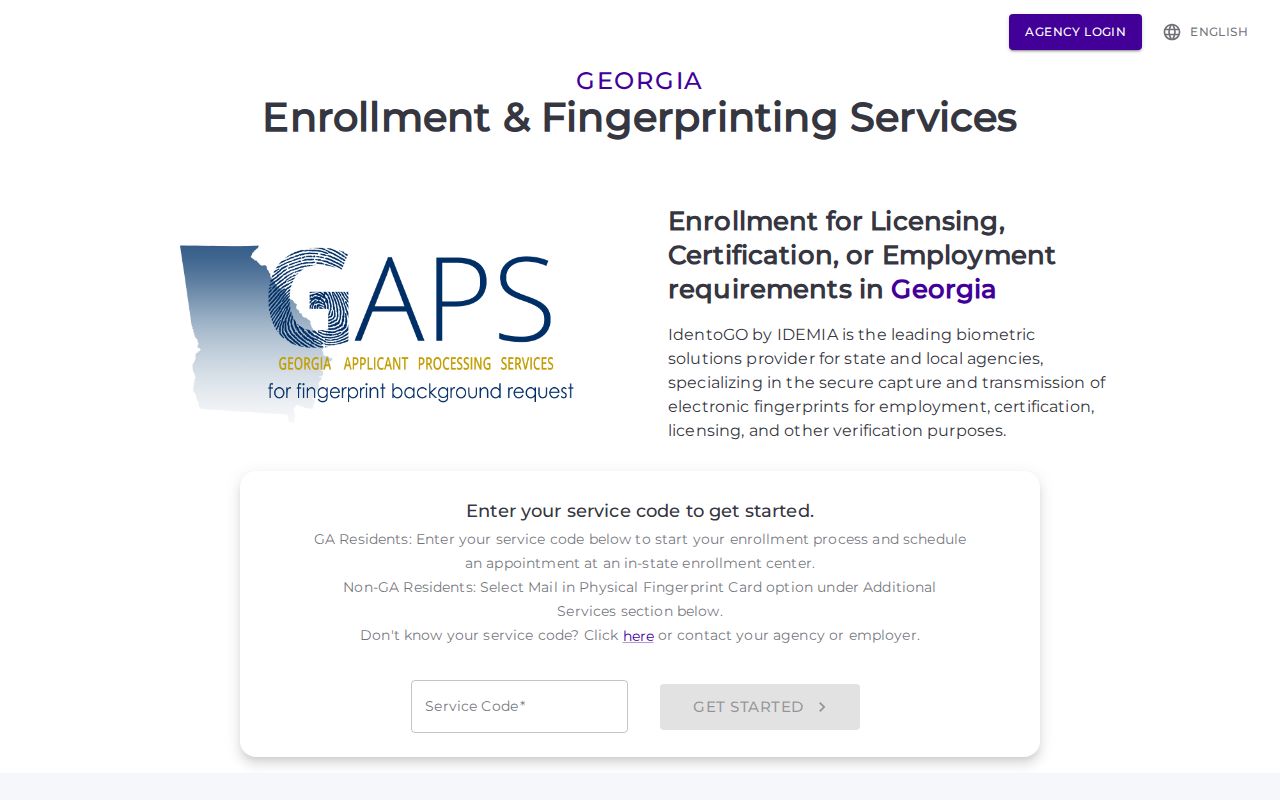
The service code determines the authorized purpose and product, so a general web search cannot substitute for the correct fingerprint workflow.
The Browns Bridge History Counter
The Hall County Sheriff's Office provides $20 Georgia criminal-history reports at 2859 Browns Bridge Road in Gainesville. The counter accepts cash or money order, requires identification, and lists weekday service from 8:00 a.m. to 5:00 p.m.; the county says processing may take one business day. A self report requires identification. The separately described other-person product is limited to an adult's Georgia felony history and uses the person's full name, date of birth, and, if available, Social Security number.
The counter product is not a certified copy of a Hall court case. If the purpose is to prove what a judge ordered, request the judgment from the Clerk. If the purpose is to inspect and challenge one's own statewide history, follow GCIC's personal-review route. Georgia Felon Search is narrower still: it reports qualifying in-state felony convictions and does not promise a complete account of arrests, misdemeanors, sealed material, or out-of-state activity. Consent and dissemination rules depend on the exact official product, so requesters should follow the instructions for that channel rather than assuming all name checks have the same terms.
| Self history | $20, with government identification |
|---|---|
| Another person's history | $20 plus the required signed and notarized consent |
| Fingerprint route | GAPS/IdentoGO when the authorized process requires prints |
| Public felony search | Georgia Felon Search transaction rather than the HCSO counter |
Criminal Record Types
A Hall record changes as a matter moves from an officer to the jail, prosecutor, court, and state repository. Custody data can be current while the filed charge is still pending. The clerk's judgment may later differ from the original booking label.
- Arrest and booking records: the arresting agency writes the event report, while the jail creates intake and custody entries.
- Criminal court files: the Clerk maintains accusations, indictments, dockets, orders, dispositions, and sentences.
- GCIC histories: the state repository connects fingerprint-supported arrest cycles to reported outcomes.
- Warrants: issuing courts and the HCSO Warrant Service Unit hold different parts of the record.
- Supervision and registry records: DCS, the Parole Board, GDC, and GBI maintain their respective official systems.
Hall's Superior and State Docket
The Hall Online Docket routes users to Superior and State Court records. Superior Court tries felonies; State Court hears misdemeanors, including many traffic cases. Magistrate criminal matters are not available through the Magistrate civil search, so warrant applications, first appearances, and preliminary matters may require a call to 770-531-6912 or a clerk request.
Online documents are offered “as is.” Searchers should confirm uncertain entries with the Criminal Division at the Hall County Courthouse, 225 Green Street SE, Gainesville. The Clerk's records reach back to Hall County's founding in 1818, but older files, certified copies, and material omitted from a remote view may require staff assistance. Municipal cases remain with Gainesville, Flowery Branch, or Oakwood unless a charge moves into the county court system.
Georgia Courts E-Access also identifies participating provider routes.
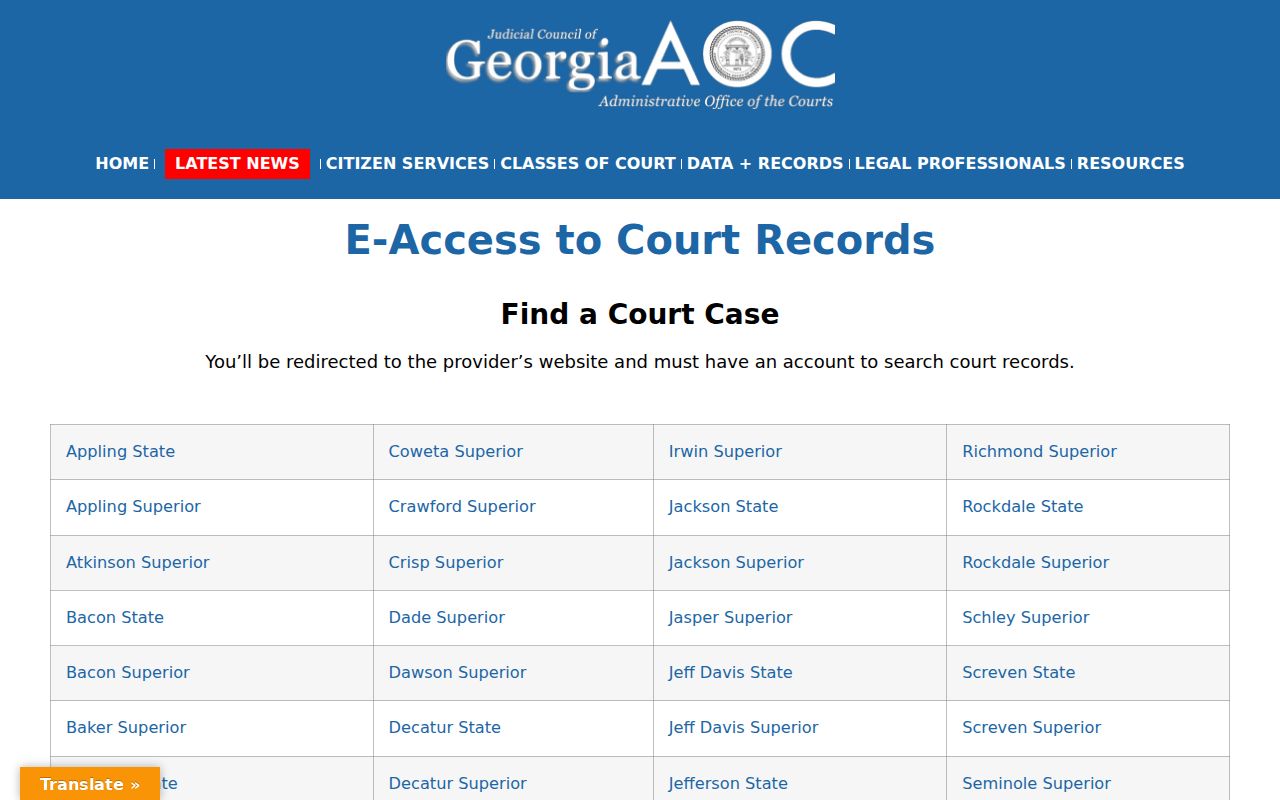
Provider access may require an account and does not change the Clerk's role as custodian of the official file.
Inside a Hall County Criminal Record
The useful fields depend on the record source. A booking entry emphasizes intake and custody. A court file shows the legal case. A GCIC history organizes arrest cycles and reported dispositions. Compare identifiers and dates before concluding that records describe the same person or event.
| Name & Identifiers | Legal name, aliases, birth information, and agency identifiers where lawfully displayed. |
|---|---|
| Arrest / Booking Data | Agency, date, event or booking number, initial charges, and release or bond status. |
| Charges & Statutes | Filed offense wording, Georgia Code citation, and count information. |
| Disposition | Convicted, dismissed, nolle prossed, dead docket, or another recorded outcome. |
| Sentence | Confinement, probation, fines, conditions, and credit stated in the court order. |
| Custody / Supervision Status | County detention, state custody, probation, or parole status in the responsible system. |
From Booking to a GCIC Cycle
A fingerprintable arrest begins with the arresting agency and Hall County Jail intake. Fingerprints and identifying data enter Georgia's reporting chain. The prosecutor may change or decline charges, and the appropriate Hall court records the filed case and outcome. Courts and justice agencies then transmit dispositions to GCIC. Because each event occurs on its own schedule, a fresh docket update may not yet appear in a state history.
Read disposition terms precisely. “Dismissed” means the court did not end the count with a conviction, but it does not automatically erase the arrest. “Nolle prossed” records the prosecutor's decision not to proceed at that time. “Dead docket” places a matter on an inactive docket rather than announcing an acquittal. A conviction entry should be checked against the written judgment and sentence for the controlling details.
The GBI criminal-history FAQ explains how Georgia records are obtained and reviewed.
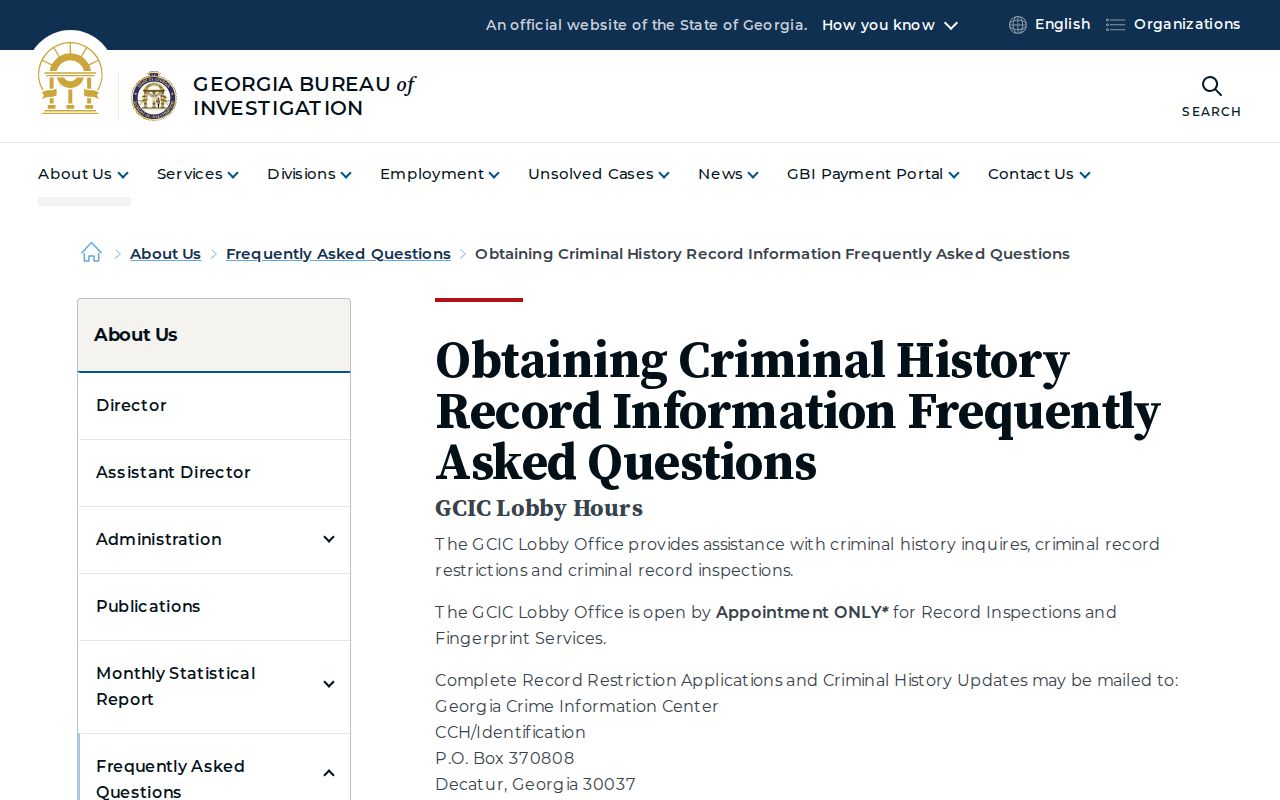
When a disposition is missing, begin with the court or originating agency so the source record can be corrected before GCIC changes its history.
Public Access Laws in Georgia
The Georgia Open Records Act generally requires a response within three business days, but it does not make every criminal-history field public. An agency may produce records, cite an exemption, or provide a cost and timing estimate. GCIC dissemination rules, court sealing law, juvenile confidentiality, victim protections, and active-investigation exemptions can limit what appears.
Key Statutes:
O.C.G.A. §§ 50-18-70–77 - establishes Georgia's open-record request and response framework.
O.C.G.A. § 35-3-34 - governs dissemination of Georgia criminal-history information, including consent rules.
O.C.G.A. § 35-3-37 - supplies Georgia's record-restriction process for eligible records.
O.C.G.A. § 42-1-14 - addresses registry risk classification.
The Sheriff's Three-Day Request Route
HCSO uses its own open-record request form. Hall's general government moved many departments to NextRequest on July 1, 2026, but Sheriff and Courts remain exceptions. A request should identify the person, incident date, address, report number, and desired inspection or copy format as closely as possible.
The form allows a requester to describe records and select inspection or copy delivery preferences. Ask for an existing report, video, booking document, or identifiable category rather than directing the agency to answer questions or create a new summary. HCSO may redact protected personal information or withhold records tied to an applicable exemption. A cost estimate can include the lowest-paid qualified employee's search and redaction time after the first quarter hour, plus lawful reproduction charges.
The Georgia Crime Information Center overview identifies the state repository that receives criminal-history information.
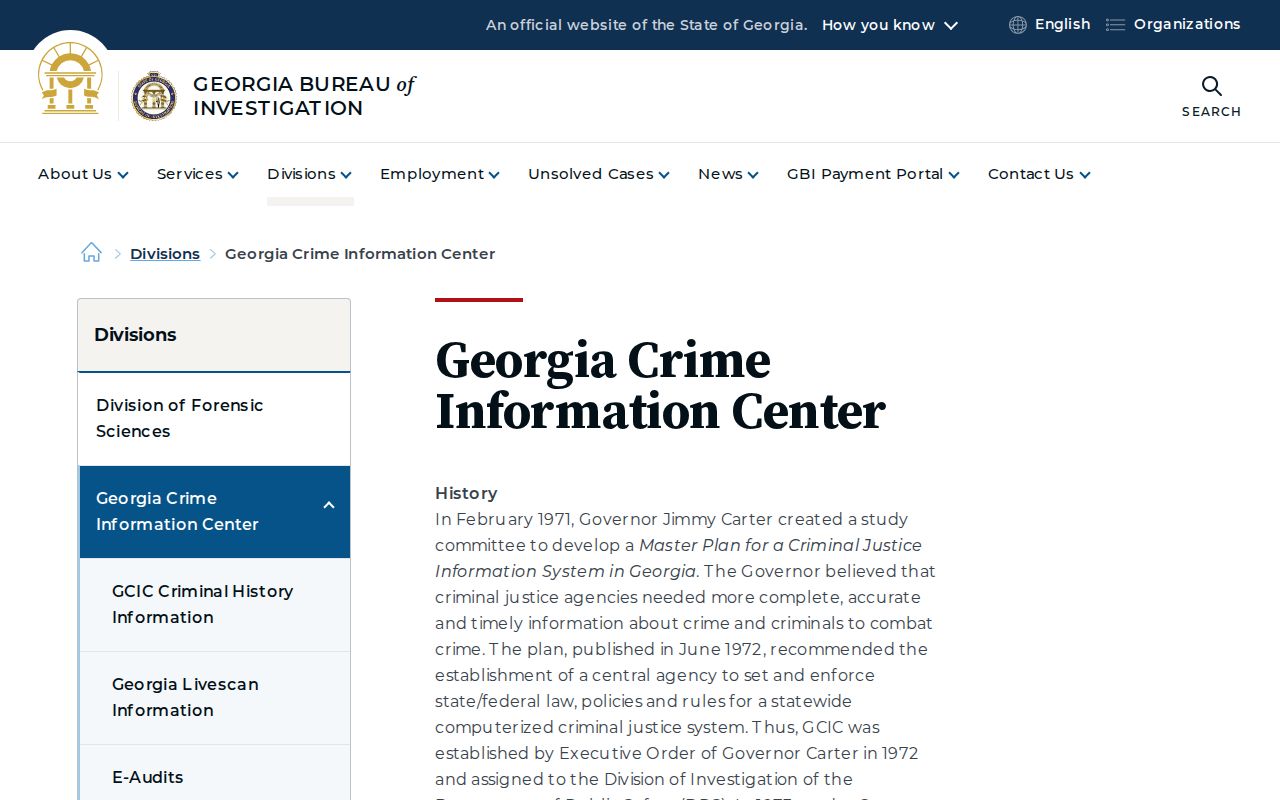
The records officer may provide records, explain a legal withholding, or estimate search, redaction, and reproduction costs within the statutory response framework. That response is not always final production within three days.
Sealed, Expunged, and Restricted Records
Georgia calls its principal relief process record restriction, not automatic erasure. Eligibility depends on the arrest cycle, outcome, offense, dates, and statutory rules. The process commonly begins with the arresting agency, continues through the prosecutor, and reaches GCIC. Separate court sealing may be needed to limit public access to the court file.
A dismissal does not by itself remove the jail booking or every agency copy. First Offender Act outcomes also have their own sealing and exoneration rules. Juvenile files and protected victim information follow stronger access limits. Anyone reviewing their own record should compare the court disposition with the GCIC history before requesting a correction.
Inside Hall's Barber Road Jail
The Hall County Jail at 1700 Barber Road has 1,026 main beds, 148 work-release beds, capacity for up to 60 house-arrest participants, and about 200 bureau employees. Those figures describe the detention operation, not the number of current detainees. The inmate list refreshes about every 15 minutes, and 770-531-6904 is the fallback when a recent change is not yet visible.
Bond can be accepted only after booking and identification are complete. Hall accepts approved professional bonds, full cash bonds, and qualifying property bonds under its published rules. In March 2025, the Sheriff and Courts warned that scammers were calling detainees' families and asking for mobile payments. Neither office solicits bond money by telephone. Verify custody through the official list and handle a legitimate bond at the jail; suspected scam calls can be reported through nonemergency dispatch at 770-536-8812.
GDC Find an Offender shows the statewide search used after a transfer from Hall custody.
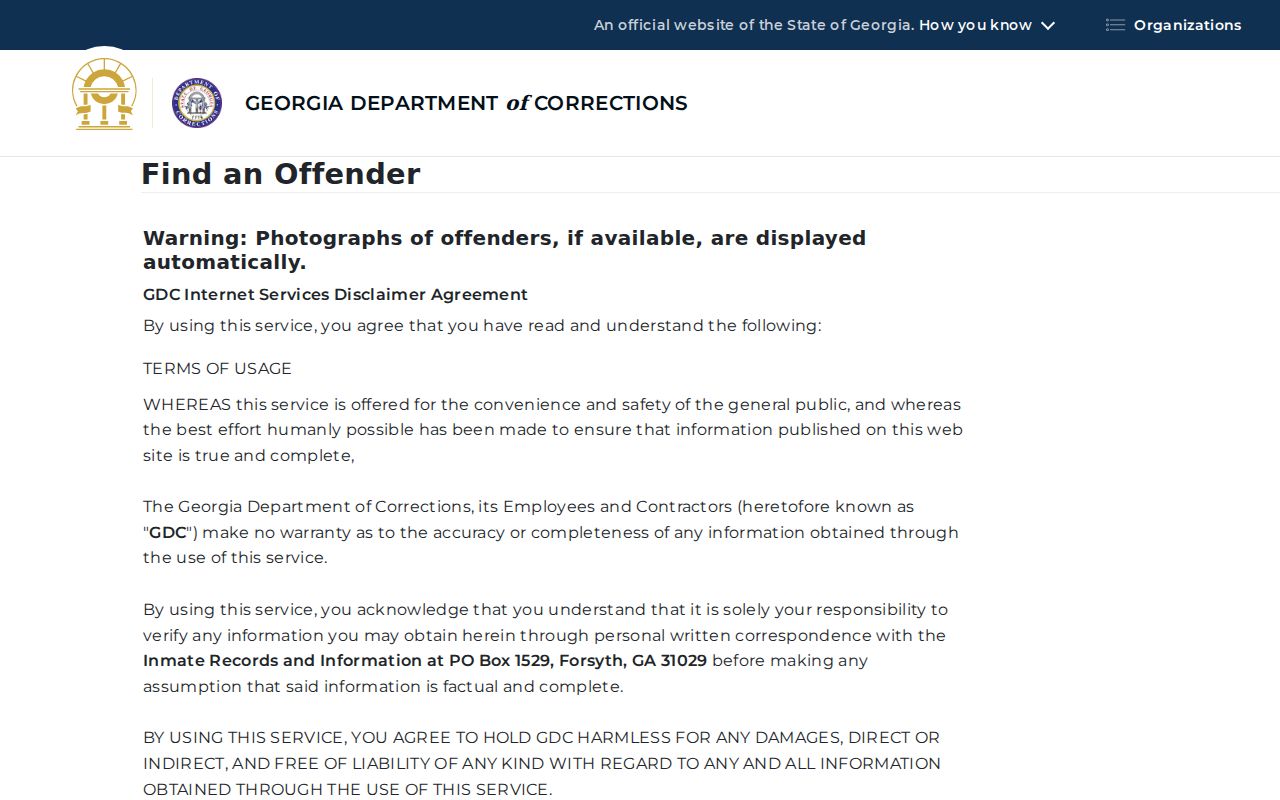
After transfer to state custody, use GDC Find an Offender. Neither the county roster nor GDC replaces a court judgment for the final case outcome.
Hall County Criminal Records by City
Gainesville, Flowery Branch, and Oakwood police create their own incident reports, while each municipal court keeps qualifying traffic and ordinance matters. A city arrest may still produce a Hall jail booking and later a county Superior or State Court case, so the correct trail often crosses city and county custodians.
Gainesville Criminal Records
47,712 · Police reports use JustFOIA; Municipal Court has no verified public name search.
Flowery Branch Criminal Records
12,292 · The Railroad Avenue counter handles police and municipal-court records.
Oakwood Criminal Records
6,759 · Police records use a signed form; city warrants have a direct phone route.
State Tools Beyond Hall County
Statewide systems fill gaps without replacing local files. GCIC holds Georgia criminal-history information; GDC locates state offenders; GBI maintains the Georgia Sex Offender Registry; DCS supervises felony probation locally; and the State Board of Pardons and Paroles handles parole authority. Each publishes a different status at a different point in the justice process.
The GBI's GCIC services hub routes readers to repository services and forms.
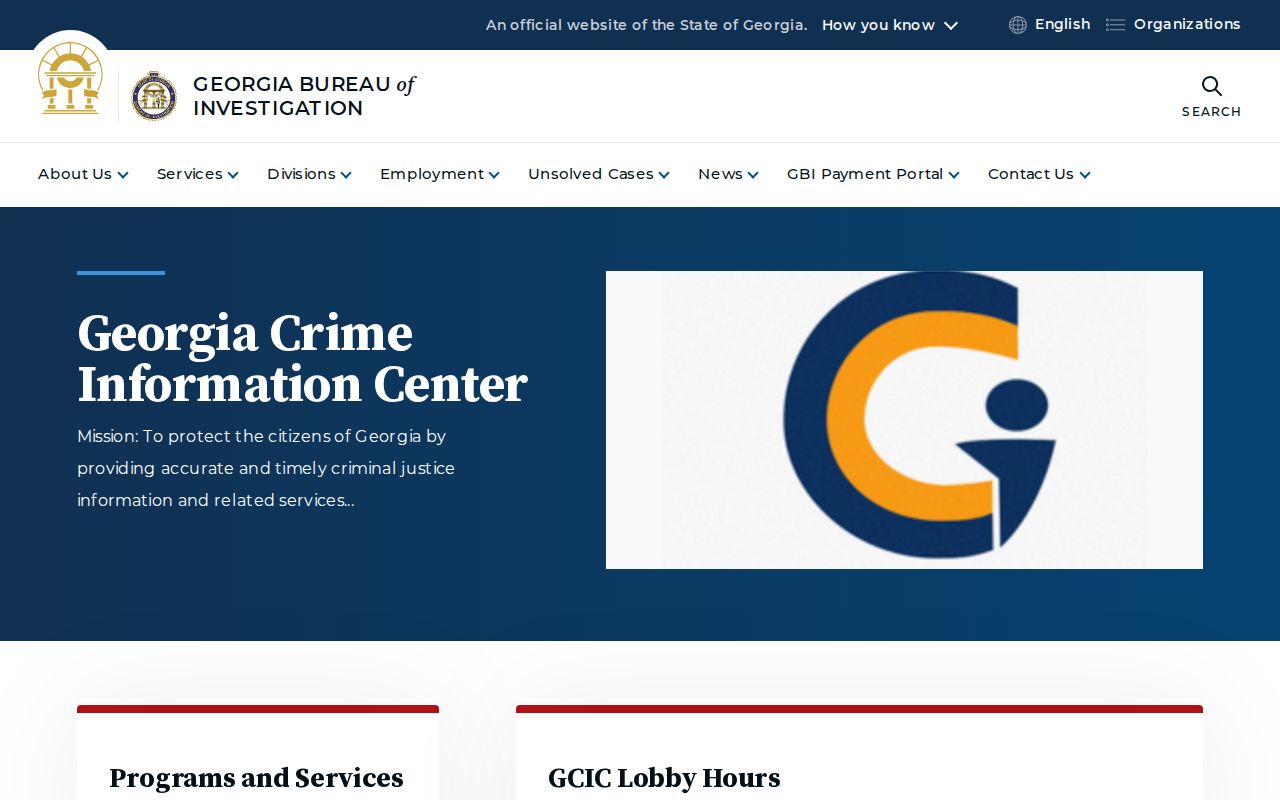
Use the repository product that matches the question; a public felony conviction result is narrower than a complete personal record review.
The Georgia Sex Offender Registry begins with conditions of use.
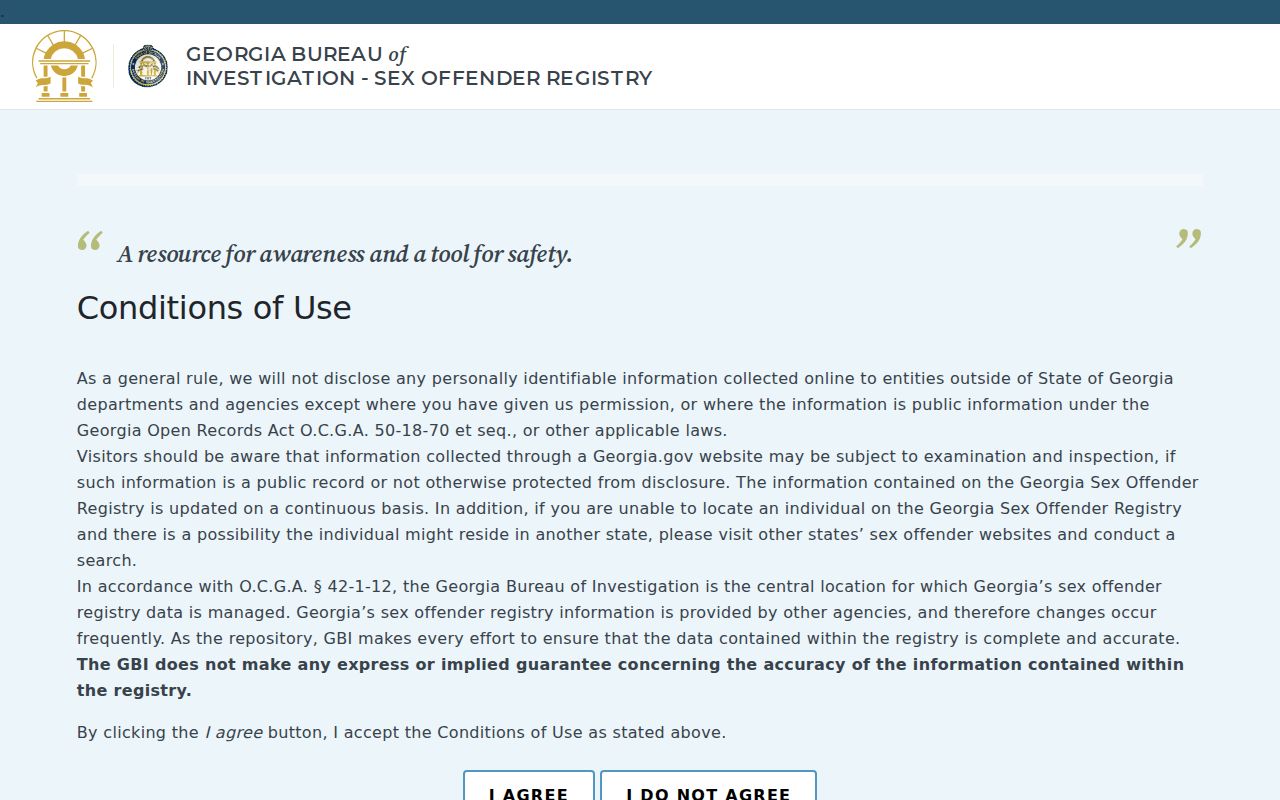
Registry entries support safety awareness, but the GBI warns that information changes and should not be used to harass or threaten anyone.
Georgia's fingerprint service site provides appointment routing.
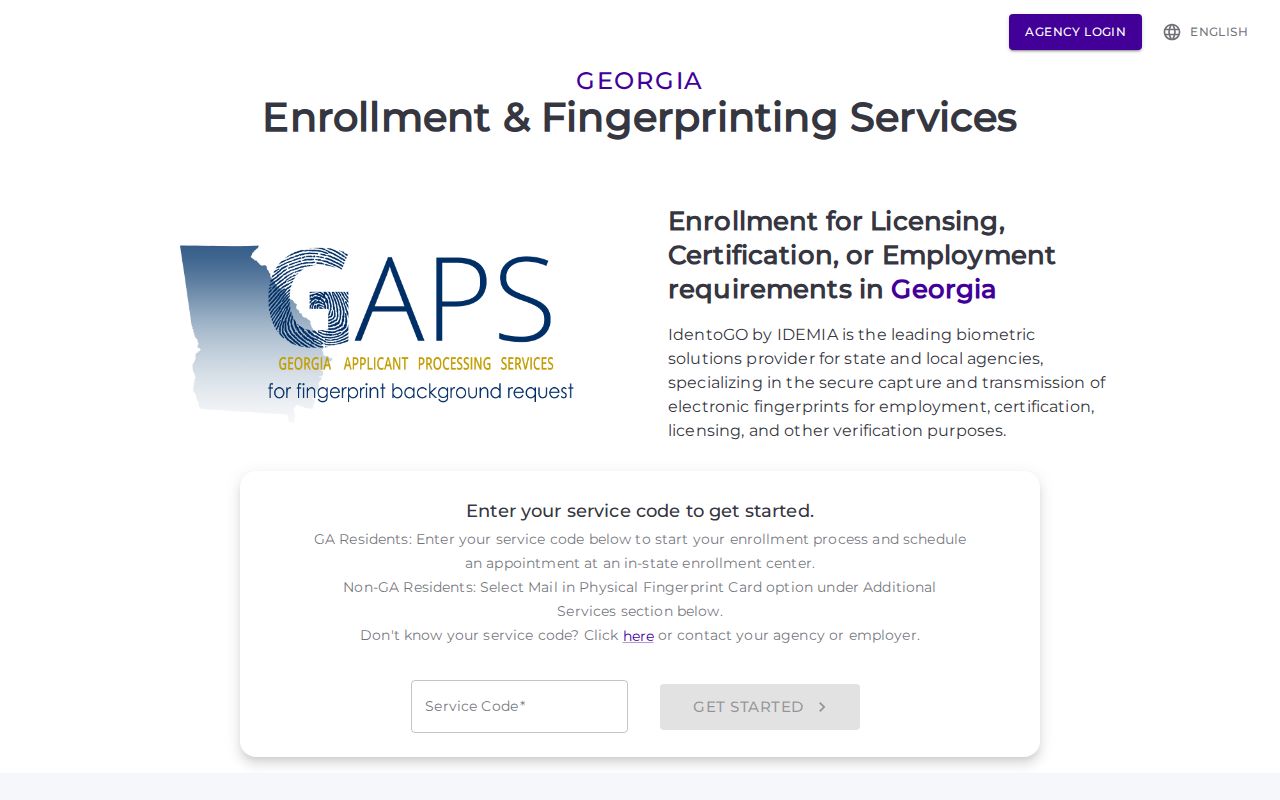
Fingerprint checks require the correct service code and identity documents; this route is distinct from a public web name search.